Introduction
In the first edition of this study, we looked at the character and context behind the Gospel of Mark. Now, we will begin to open up into the first chapter. Here, we will see a prophetic foundation being established and a clear divine messianic message. Our goal is to grab onto the deeper details of the gospel and give a second look at details that are usually overlooked. Please feel free to put your own insights in the comments below.
Learning Objectives
- Understand what is unique about Mark’s opening of the gospel.
- Be able to communicate where the prophecy in verses 2-3 comes from.
- Explain the importance of people travelling from all of Judea and Jerusalem to be baptized by John.
- Understand the significance between the nature of John’s baptism and the baptism of the Holy Spirit.
Study Content: Verse-by-Verse Examination
Opening and John The Baptists Ministry – 1:1-8
LO:1
Verse 1 – The beginning of the gospel of Jesus Christ, the Son of God.
- The opening of the Mark’s gospel account starts with a proclamation of an important truth of the message. The gospel is of and from Jesus Christ, the Son of God. This is noticeably different from the openings of the other gospels. Matthew and Luke explore Jesus’ lineage. The lineage of the messiah is an important topic to the Hebrew people. There are very particular details that must be true of the coming messiah. However, Mark does not start his gospel exploring this fact such as the other two synoptics. John provides a theological opening about Christ’s divinity. This could give credence to the idea that Mark was writing to a population of people outside of the Palestine region; Because, the genealogies and deep theological discussion may not effectively communicate the gospel to those unfamiliar with the Hebrew/Christian faith.
LO:2
Verse 2 – As it is written in Isaiah the prophet, “Behold, I send my messenger before your face who will prepare your way,
Verse 3 – the voice of one crying in the wilderness: ‘Prepare the way of the Lord, make his paths straight,’”
- Mark attributes his words and Jesus’ coming to Isaiah but his quote is actually scripture stitched together from Malachi, exodus, and Isaiah. What I’ve read from theologians is that this is not an uncommon practice in ancient Jewish writing. Mark is using the prominent theme from Isaiah to communicate the messianic nature of Jesus’ gospel. I have also heard that ancient Jewish writing commonly referred to the prophets as “Isaiah” as a form of shorthand or tradition.
- Later, scribes observed this and made an editorial decision to bring clarity to this issue and began using the phrase, “The Prophets”, instead of simply Isaiah. This change is observable in translations such as the KJV. I would assume the same is true of other translations utilizing the Textus Receptus.
- The modern use of older Greek texts in today’s translations results in many modern translations going back to saying, “Isaiah”.
Verse 4 – John appeared, baptizing in the wilderness and proclaiming a baptism of repentance for the forgiveness of sins.
- The baptism that John proclaimed was one of repentance in water. He proclaimed the forgiveness of sins to those who would respond to his message and be baptized.
- This further fulfills the themes of repentance in Isaiah.
LO:3
Verse 5 – And all the country of Judea and all Jerusalem were going out to him and were being baptized by him in the river Jordan, confessing their sins
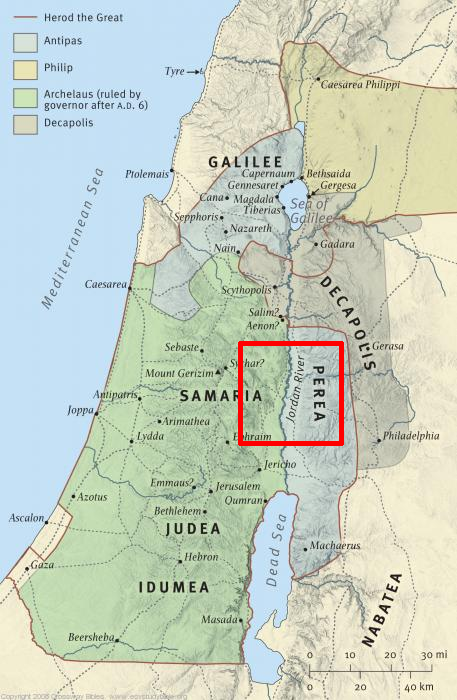
- Scholarship suggests that John was baptizing at the Jordan near the city of Jericho (See map).
- People from the surrounding region heard of John and were filled with conviction enough to be baptized in the Jordan River.
- This appears to be the fulfillment of the prominent theme from the second part of Isaiah (40-55) where a new exodus is described that gathers God’s people to the promised land.
Verse 6 – Now John was clothed with camel’s hair and wore a leather belt around his waist and ate locusts and wild honey.
- John’s unusual appearance is noted here and actually resembles Elijah’s appearance. Jesus later identifies John as Elijah and as the fulfillment of the prophecy that Elijah would come before the messiah. This is how verse 4,5, and 6 fulfill the prophecy of verse 2 and 3. This is coherent messianic theology hidden in language meant to communicate the gospel to outsiders.
Verse 7 – And he preached, saying, “After me comes he who is mightier than I, the strap of whose sandals I am not worthy to stoop down and untie.
- This is John, “making way” for Jesus. He is Elijah proclaiming the coming of the messiah.
- Untying the straps of sandals could be the responsibility of a low servant. A Jew proclaiming this status of another is an incredible exclamation. John is emphasizing the importance of Jesus’ nature, not only as another prophet to come, but someone even greater.
LO:4
Verse 8 – I have baptized you with water, but he will baptize you with the Holy Spirit.”
- Jesus’ salvific work and the establishment of a new covenant are proclaimed. John’s baptism is one of repentance of sins. But John is proclaiming here that believers who repent will be baptized with the very spirit of God. The structure of John’s statement here demonstrates that the next baptism inherently different than that of mere repentance. This is a baptism of an entirely different nature.
Key-Takeaways
- Mark’s opening is different than Matthew and Luke because he does not explore Jesus’ lineage. He communicates a clear message of the gospel that is understandable to a reader foreign to Hebrew messianic theology.
- Mark uses a literary device by using scripture from different prophets to reference the prominent theme from Isaiah to communicate the messianic nature of Jesus’ gospel.
- The people of God gathering to be baptized by John is the fulfillment of the prominent theme of God calling his people unto Himself from the second part of Isaiah (40-55).
- The baptism of the Holy Spirit is inherently different than John’s repentance, indicated by the comparison John makes of his ministry to the one who is mightier than he.
Conclusion
While Mark’s account of the gospel does not immediately have the most front-facing theological approach, there is much more beneath the surface. The opening of the first chapter is full of the Lordship of Christ and the fulfillment of messianic prophecies.
The next article will cover the baptism of Jesus, the implications of His baptism, and the trinity. It may be a smaller section of scripture, but we’ll see what I can squeeze in.

Leave a Reply